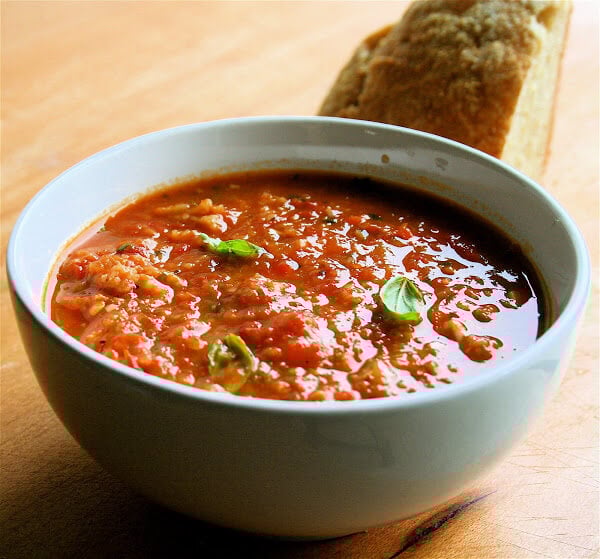
Stale Bread's Second Act: Mastering Tuscan Pappa al Pomodoro
Have you ever encountered a dish so disarmingly simple, yet so profoundly satisfying, it completely reshapes your culinary perspective? Imagine a group of discerning diners, so captivated by a bowl of tomato-and-bread soup that they felt compelled to seek out the chef for his "secrets." Their anticipation of exotic ingredients – white truffle oil, goat's milk foam, or rare aged vinegar – was met with an almost astonishing revelation: tomatoes, basil, onions, bread, and salt. This unassuming roster of ingredients forms the heart of
Pappa al Pomodoro, a rustic Tuscan masterpiece that transforms the humble into the extraordinary.
At its core,
Pappa al Pomodoro is a testament to the ingenuity of Italian *cucina povera* – "poor cooking" – where resourcefulness and flavor reign supreme. It’s a dish born from necessity, designed to prevent day-old bread from going to waste, elevating it into a rich, comforting experience. When crafted with the deep, concentrated flavor of
roasted tomatoes, this bread-thickened soup becomes an intensely savory and truly unforgettable meal. This article will guide you through mastering this classic, focusing on the transformative power of roasting tomatoes and the genius of incorporating stale bread to create the ultimate
roasted tomato soup thickened with bread pappa al pomodoro.
The Tuscan Secret to Unforgettable Flavor: Why Roasting Tomatoes Matters
The difference between a good tomato soup and a truly exceptional one often lies in the preliminary treatment of its star ingredient. While many traditional recipes for Pappa al Pomodoro call for fresh tomatoes, embracing the technique of roasting them first unlocks an unparalleled depth of flavor. This simple step is a game-changer, intensifying the tomato's natural sweetness and acidity through caramelization, creating a robust foundation for your soup.
When tomatoes are roasted, their sugars concentrate and deepen, lending a complexity that simply boiling or stewing cannot achieve. The edges caramelize, adding subtle smoky notes and a richer, more umami-rich profile. This process eliminates the need for any "exotic" flavor enhancements; the tomatoes themselves become the secret ingredient, singing with vibrant, concentrated taste. For gardeners, roasting is also an excellent way to preserve a bountiful harvest, allowing you to enjoy summer's bounty in the depths of winter. Simply halve your ripe tomatoes, toss them with a drizzle of good olive oil, a pinch of salt, and pepper, then roast until slightly shriveled and deeply colored. These can be used immediately or frozen for later use, ensuring that an amazing
roasted tomato soup thickened with bread pappa al pomodoro is always within reach. For a deeper dive into the roots of this incredible dish, explore
Pappa al Pomodoro: The Simple Tuscan Secret to Rich Tomato Soup.
More Than Just Soup: The Genius of Stale Bread
Beyond the tomatoes, the true brilliance of Pappa al Pomodoro lies in its inventive use of stale bread. The name itself, "pappa al pomodoro," literally translates to "tomato pap," hinting at the dish's soft, almost custardy texture. This might sound unappetizing to some, evoking images of bland gruels, but in this context, "pap" signifies a luxurious, comforting richness. Like other beloved bread-based dishes such as panzanella, bruschetta, French toast, or bread pudding, Pappa al Pomodoro is a testament to the culinary magic of transforming seemingly discarded ingredients into something extraordinary.
The bread isn't just a filler; it's a fundamental thickener and texturizer. As it simmers in the tomato-rich broth, the bread slowly breaks down, dissolving into the liquid and creating a wonderfully thick, velvety consistency that is both hearty and smooth. This is what truly transforms a simple tomato broth into a comforting, substantial
roasted tomato soup thickened with bread pappa al pomodoro. It turns a light appetizer into a nourishing meal, perfect for any time of year.
Choosing Your Bread Wisely
The type of bread you use is crucial. Avoid soft, airy sandwich breads that will turn to mush without offering much structure or flavor. Instead, opt for rustic, crusty, day-old loaves with a good crumb and robust flavor. Tuscan bread, a French boule, or a hearty sourdough are excellent choices. The staler the better, as dry bread more readily absorbs the flavorful broth without becoming gummy. This absorption is key to achieving that signature "pap" texture.
Crafting Your Own Pappa al Pomodoro: Tips for Success
Mastering your own batch of
roasted tomato soup thickened with bread pappa al pomodoro is a rewarding culinary journey that emphasizes simplicity and quality ingredients. Here’s how to bring this Tuscan delight to your kitchen:
1.
The Foundation: Aromatics and Roasted Tomatoes
Start by gently sautéing finely chopped onions and garlic in a generous amount of good quality extra virgin olive oil until soft and translucent, but not browned. This creates a sweet, aromatic base. Then, add your already roasted tomatoes (whole or coarsely chopped) to the pot, allowing them to mingle with the aromatics.
2.
Building the Broth: Stock and Simmering
While the original *pappa al pomodoro* might have relied on water, most modern recipes benefit from a flavorful stock to achieve the desired soup consistency. Whether you opt for a rich vegetable stock (making the dish entirely vegetarian) or a light chicken stock, choose one that complements the tomatoes without overpowering them. Pour the stock over the tomatoes and aromatics, bring to a simmer, and let the flavors meld for at least 15-20 minutes.
3.
The Bread Transformation
Tear your stale bread into rough, bite-sized pieces and add them to the simmering tomato mixture. Stir well, ensuring the bread is fully submerged. Allow it to cook, stirring occasionally, until the bread completely breaks down and thickens the soup to a luxurious, custardy texture. This could take anywhere from 10 to 20 minutes, depending on the bread's dryness and type.
4.
Flavor Boosts and Finishing Touches
At this stage, a generous handful of fresh basil is vital. The warmth of the soup will release its aromatic oils, adding a fresh, peppery note. While many online recipes advocate for a substantial amount of olive oil throughout, if you roasted your tomatoes with oil, you might find that the soup doesn't need much more within the pot. However, a final drizzle of high-quality extra virgin olive oil before serving is essential for its fruity aroma and silky finish. Season generously with salt and freshly ground black pepper to taste. Some prefer a coarser texture, while others like it smoother; you can use an immersion blender to achieve your desired consistency, blending coarsely for rustic charm. To delve further into the unique character that roasted tomatoes bring to this dish, read
Roasted Tomato Pappa al Pomodoro: Deep Flavor from Rustic Roots.
Serving and Savoring: A Dish for All Seasons
Pappa al Pomodoro is a versatile dish, equally comforting on a chilly evening as it is refreshing at room temperature on a warmer day. While traditionally served warm, its robust flavors hold beautifully even when cooled. Garnish each bowl with a swirl of peppery extra virgin olive oil, a few fresh basil leaves, and perhaps a light grating of Pecorino Romano or Parmesan cheese (though purists might omit the cheese for a more authentic *cucina povera* experience).
Pair your
roasted tomato soup thickened with bread pappa al pomodoro with a simple green salad dressed with a light vinaigrette, or alongside more crusty bread for dipping (not thickening this time!). It makes for a satisfying light lunch, a flavorful appetizer, or a hearty main course that truly nourishes the soul. This dish beautifully demonstrates how extraordinary flavor can emerge from the most basic, often overlooked, ingredients.
Conclusion
From humble beginnings, transforming stale bread and sun-kissed *roasted tomatoes* into a luxurious, deeply flavorful experience, *Pappa al Pomodoro* is a testament to the timeless wisdom of Tuscan cuisine. It reminds us that culinary greatness often lies not in exotic ingredients or complicated techniques, but in the art of making the most of what you have, with heart and ingenuity. So next time you have a bounty of tomatoes or a forgotten loaf, embark on your own second act and discover the magic of this incredible
roasted tomato soup thickened with bread pappa al pomodoro.