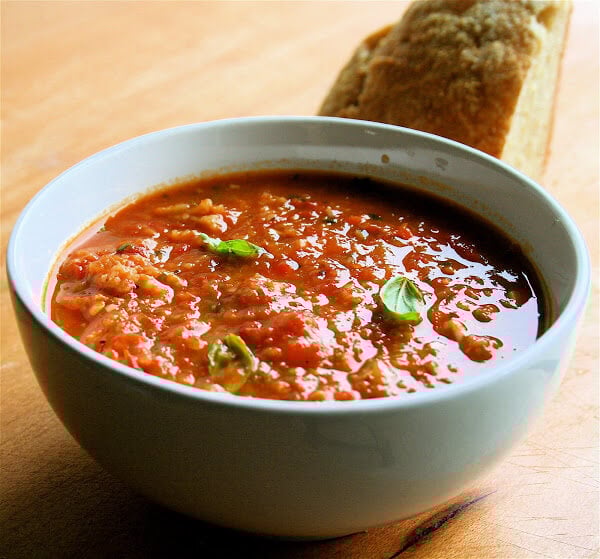
Pappa al Pomodoro: The Simple Tuscan Secret to Rich Tomato Soup
In the heart of Tuscany, where sun-drenched hills give way to ancient traditions, a culinary masterpiece quietly endures: Pappa al Pomodoro. This isn't just any tomato soup; it's a profound declaration of simplicity, a dish that transforms humble ingredients into a symphony of deep, comforting flavors. Often described as a roasted tomato soup thickened with bread pappa al pomodoro, its genius lies in its ability to elevate the everyday, turning day-old bread and ripe tomatoes into a velvety, soul-satisfying experience. It's a testament to "cucina povera"—peasant cooking—where resourcefulness meets exquisite taste, proving that the most memorable meals are often the least complicated.The Allure of Simplicity: A Revelation from San Clemente
Imagine a sun-drenched café in San Clemente, California. Four discerning diners, captivated by a bowl of tomato and bread soup, found themselves drawn to the kitchen window, compelled to praise the chef for his creation. They raved about its deep, rich flavors, eagerly anticipating a revelation of exotic, secret ingredients. Perhaps white truffle oil? A goats'-milk foam? An 80-year Xeres vinegar? The chef, flattered and unreserved, simply listed the components: tomatoes, basil, onions, bread, salt. Their disbelief was palpable. How could such profound depth emerge from such a short, unassuming list? Yet, this charming anecdote perfectly encapsulates the essence of Pappa al Pomodoro. The "secret," as it turns out, was no secret at all—just pure, unadulterated quality ingredients handled with respect. This simplicity is particularly powerful when crafting a roasted tomato soup thickened with bread pappa al pomodoro. Roasting, as many home cooks and chefs alike have discovered, sweetens and intensifies the natural sugars in tomatoes, concentrating their flavor to an extraordinary degree. This crucial step renders any need for elaborate additions completely unnecessary, allowing the true character of the tomato to shine, perfectly complemented by the rustic texture of the bread.From Humble Origins: The Tuscan Roots of Pappa al Pomodoro
Pappa al Pomodoro’s story is deeply intertwined with Tuscan history and the ethos of not letting anything go to waste. Like its culinary cousins—Panzanella salad, Bruschetta, and even bread pudding—this rustic soup was born from a clever solution to prevent stale bread from being discarded. In times when food was precious, Italian nonnas and cooks perfected the art of giving day-old bread a glorious second act. This principle of resourcefulness is at the heart of what makes an authentic roasted tomato soup thickened with bread pappa al pomodoro so special. The term "pappa" itself offers a clue to its character. It translates to "pap" or "gruel," hinting at its soft, almost custardy consistency. While this might sound unappetizing to modern ears, it speaks to a culinary heritage where food was often prepared to be easily digestible and comforting, even for the ill. Indeed, 19th-century cookbooks frequently included sections on "feeding the ill and infirm," featuring dishes like paps and mushes. Pappa al Pomodoro, with its tender bread and soothing tomato base, fits this tradition perfectly. It's a dish that transcends age and appetite, a warm embrace in a bowl, cherished in winter for its ability to bring forth the taste of summer's bounty. For more on how stale bread becomes the star, explore Stale Bread's Second Act: Mastering Tuscan Pappa al Pomodoro.Crafting Your Own Pappa al Pomodoro: Key Ingredients and Techniques
Creating an exceptional roasted tomato soup thickened with bread pappa al pomodoro requires attention to a few core components, each playing a vital role in the final flavor and texture.- The Tomatoes: The Soul of the Soup
While fresh summer tomatoes are ideal, roasting them is the game-changer, especially when they're not at their peak. Roasting concentrates their sweetness and acidity, deepening their flavor profile significantly. Whether you use San Marzano, Roma, or even smaller cherry tomatoes, a good roast is essential. Simply halve or quarter your tomatoes, toss them with a generous glug of extra virgin olive oil, a sprinkle of sea salt, and fresh black pepper, then roast at a high temperature until slightly caramelized and fragrant. This step is what truly sets a Roasted Tomato Pappa al Pomodoro: Deep Flavor from Rustic Roots apart.
- The Bread: The Hearty Thickener
This is where "pappa" truly comes to life. Day-old, crusty, rustic bread is non-negotiable. Tuscan bread, a French boule, or any good quality country loaf will do. The slightly dried-out texture allows it to absorb the tomato broth beautifully, breaking down into a luxurious, creamy consistency without becoming soggy. Avoid soft, fluffy sandwich bread; it simply won't yield the desired result. The bread isn't just a filler; it's the very structure and texture of the soup.
- Aromatics: The Foundation of Flavor
Onions are fundamental, providing a savory base. Sautéing them gently until translucent lays a sweet foundation. Garlic, while sometimes omitted in the most traditional versions, can add a welcome aromatic depth without overpowering the tomatoes.
- Herbs: The Fragrant Finish
Fresh basil is the iconic herb for Pappa al Pomodoro. Its peppery, sweet aroma complements the tomatoes perfectly. Add a generous bunch towards the end of cooking or just before serving to preserve its vibrant flavor and color.
- Liquid: Bringing it to Soup Consistency
While some purists use only water, a good quality chicken or vegetable stock will provide a richer, more complex broth. Start with a conservative amount, as you can always add more to achieve your desired consistency.
- Olive Oil: The Golden Touch
Extra virgin olive oil is used not only for roasting the tomatoes but also for sautéing the aromatics and, crucially, for finishing the dish. A final drizzle of high-quality olive oil before serving adds a fruity richness and a beautiful sheen.
